

Temas




Ponentes

Santiago March Mifsut
Fundación Mexicana para la Salud
Santiago March Mifsut
Fundación Mexicana para la Salud (FUNSALUD)
MD from the National Autonomous University of Mexico (UNAM) School of Medicine. Training in Pathology at the General Hospital of Mexico. Diploma in Business Planning and Development from the Autonomous Technological Institute of Mexico (ITAM). Diploma in Public Health from the Swiss School of Public Health. Member of the Ethical, Legal and Social Aspects Committee and Academic Coordinator of the Consortium of the Institute of Genomic Medicine (2002-2004). Education and Outreach Director (2005-2006 and 2010) and Research Director (2007-2009) at the National Institute of Genomic Medicine (INMEGEN). Scientific and technological coordinator of Mexican Genetic Diversity Map pioneering population genomics project in Latin America. In addition, he has coordinated projects on genomic applications in industry, specially in health, biotechnology, agriculture, livestock and fishing sectors. Founding member of the Human Proteome Organization (HUPO), Mexican Society of Medical Education, Genomics and Bioeconomy. Member of the People Population Project in Genomics Group (P3G). Professor of Genomic Medicine and Human Genetics at the National Polytechnic Institute (2007-2010). Director of Strategic Initiatives at Global Biotech Consulting Group (2011-2015). Senior Consultant at Illumina Inc (2011-2014). General Director of Servicios Genomicos (2015). During his term with Servicios Genomicos (2015) he developed an executive plan that concluded with the start-up operations of the genomic diagnostic laboratory in the National Institute of Genomic Medicine (INMEGEN). Specialist in Genomics by the French-Mexican Foundation for Medicine since 2015. Chief Scientific Officer at Innovasalud (2016-2018). Strategic Projects Coordinator (2018-2019) at Mexican Health Foundation (FUNSALUD) and since 2020 he has served as Director of New Technologies at FUNSALUD running projects using new technologies for healthcare of Mexican population focused in molecular diagnosis for rare diseases, cancer, multiomics análisis and digital health. In 2020, he was part of the Consortium of Innovative Scientists facing COVID-19 that represented Mexico in The Coalition for Epidemic Preparedness Innovation (CEPI) an organization that concentrated efforts for COVID-19 vaccine. Dr. March is a Member of the Global Cooperative Network for Rare Diseases of the World Health Organization (WHO CGN4RD) coordinating Mexico´s hub since 2021. He has published more than 40 scientific articles in peer reviewed publications and 2 books in life sciences, health and biotechnology and has more than 250 lectures in genetics and precision medicine and digital health in national and international meetings in the past 26 years. Likewise, he has participated as a science communicator in various media popular publications in life sciences, health and biotechnology.
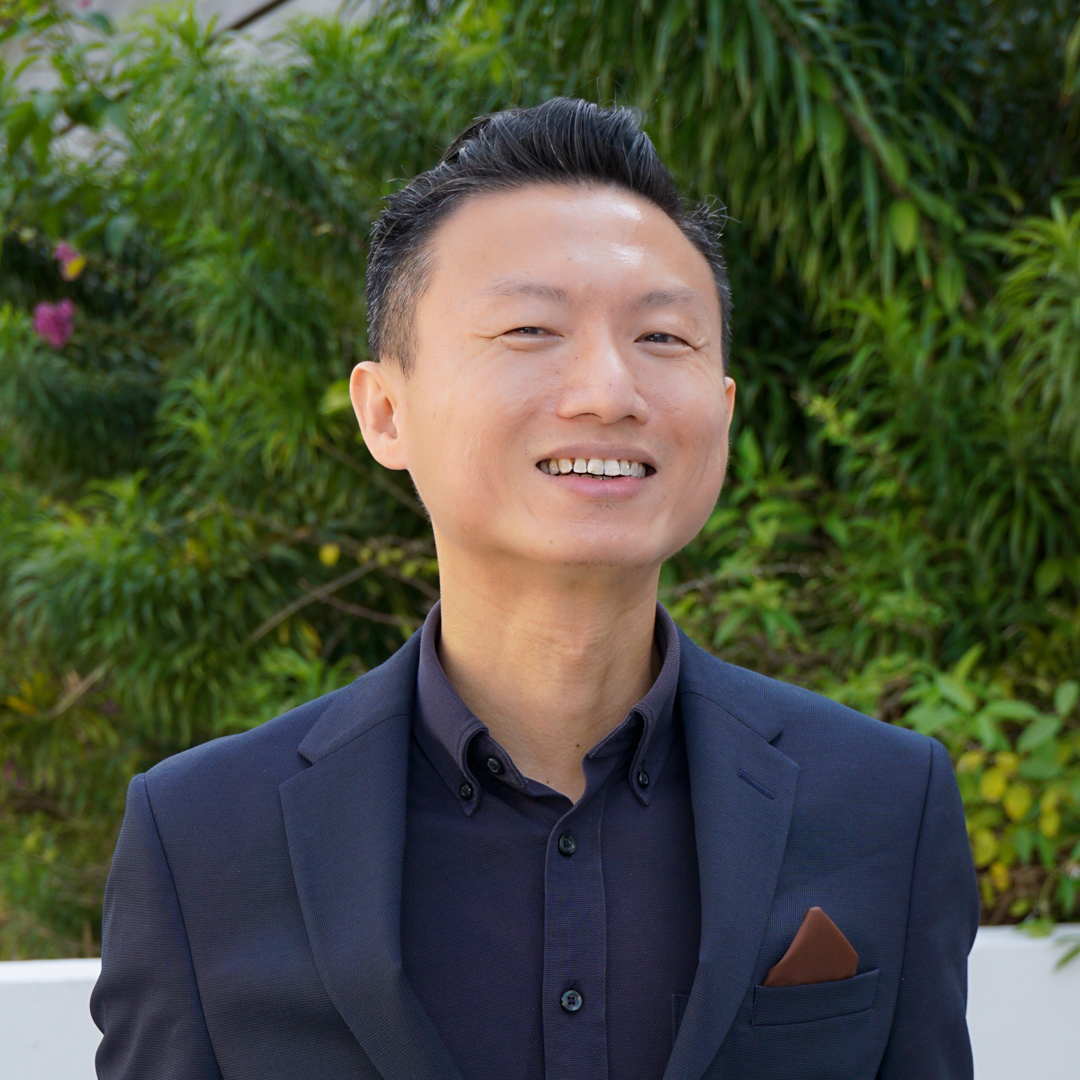
Wilson Wen Bin Goh
Nanyang Technological University
Wilson Wen Bin Goh
Centre of AI in Medicine
Dr. Wilson Goh is Chief Data Scientist and Deputy Director of the Centre of AI in Medicine (C-AIM) at Nanyang Technological University. He is the founding Co-Director of the Centre for Biomedical Informatics and leads the Data Science and AI Research Programme at the Lee Kong Chian School of Medicine. Beyond NTU, he serves as Senior Lecturer (Associate Professor) at Imperial College London and as Senior Research Scientist at the Institute of Mental Health.
Dr. Goh’s research centers on harnessing complex, multimodal clinical and molecular datasets to design, validate, and deploy AI systems within real-world hospital settings. His work spans mental health and proteomics, where his group has developed advanced algorithms for protein assembly, workflow prediction, missing data imputation, and network-based integration.
In recent years, his research has expanded into AI governance and implementation science, examining regulatory frameworks, responsible AI deployment, and human–AI interaction in healthcare. Through an integrated approach that combines foundational science, translational AI engineering, and systems-level governance, Dr. Goh aims to accelerate the safe, scalable, and sustainable integration of AI into clinical practice.

Georg Wallmann
Max-Plank-Institute for Biochemistry
Georg Wallmann
Max-Plank-Institute for Biochemistry
Georg Wallmann is a postdoctoral researcher at the Max Planck Institute of Biochemistry in the lab of Matthias Mann, where he works on computational methods for mass spectrometry-based proteomics. During his PhD with Matthias Mann he led the development of alphaDIA, a transfer-learning-based search engine for data-independent acquisition proteomics. Before his PhD, he worked with Nikolai Slavov at Northeastern University in Boston on DIA multiplexing, and earlier with Jürgen Cox on computational proteomics tooling. He also contributed to pipelines for high-content imaging, NMR, and cryo-EM. His current research focuses on DIA data analysis with advanced deep learning methods. Georg is an advocate of FAIR principles and open-source software in proteomics, and helps maintain community tools including AlphaPeptDeep.
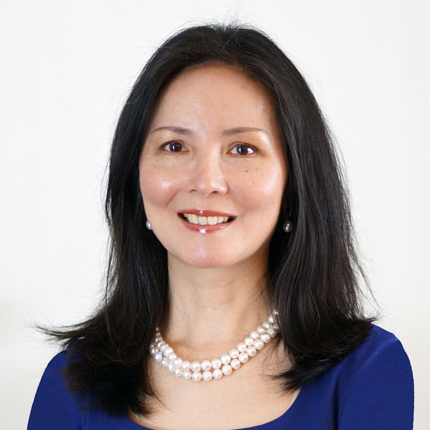
Lan Huang
University of California
Lan Huang
Dr. Lan Huang is Professor of Physiology & Biophysics in the School of Medicine at the University of California, Irvine. Her research focuses on developing cutting-edge mass spectrometry-based proteomic strategies to characterize macromolecular protein complexes and understand their functions, particularly within the ubiquitin-proteasome system. Over the past two decades, the Huang laboratory has pioneered advanced methodologies to capture, purify, and quantify protein-protein interactions in living cells. Dr. Huang led the development of sulfoxide-containing MS-cleavable cross-linkers, establishing a robust cross-linking mass spectrometry (XL-MS) platform that enables the analysis of protein interaction networks and structural topologies of native proteomes in vitro and in vivo. More recently, her group developed the first trioxane-based trifunctional MS-cleavable cross-linker, enabling the capture of multimeric interactions and integrative structural analysis of protein complexes with significantly improved accuracy and precision. Dr. Huang has authored over 170 research articles in top-tier journals, including Nature, Science, Nature Communications, Nature Structural & Molecular Biology, and PNAS. She actively contributes to the proteomics and mass spectrometry communities and has served on committees for organizations such as ASMS, HUPO, ASBMB, US HUPO, and CASMS, including as President of CASMS (2021-2023). She serves as an Associate Editor for Molecular & Cellular Proteomics and FASEB BioAdvances.

Fanny Caroline Liu
Florida State University
Fanny Caroline Liu
Florida State University
Dr. Fanny Caroline Liu is a Research Faculty in the Department of Chemistry and Biochemistry at Florida State University. She received her Ph.D. in Applied Physical Chemistry from Heidelberg University (Germany) and joined the Bleiholder Laboratory at Florida State University in 2014. Her research focuses on ion mobility–mass spectrometry and structural proteomics, with an emphasis on developing multidimensional ion mobility workflows for the characterization of complex biomolecules and biotherapeutics. Dr. Liu is a co-inventor of tandem-trapped ion mobility spectrometry (Tandem-TIMS) and multiple patents related to mass spectrometry instrumentation and protein analysis. She has authored more than 25 peer-reviewed publications and collaborates with industry partners, including Bruker Daltonics and Johnson & Johnson Innovative Medicine.
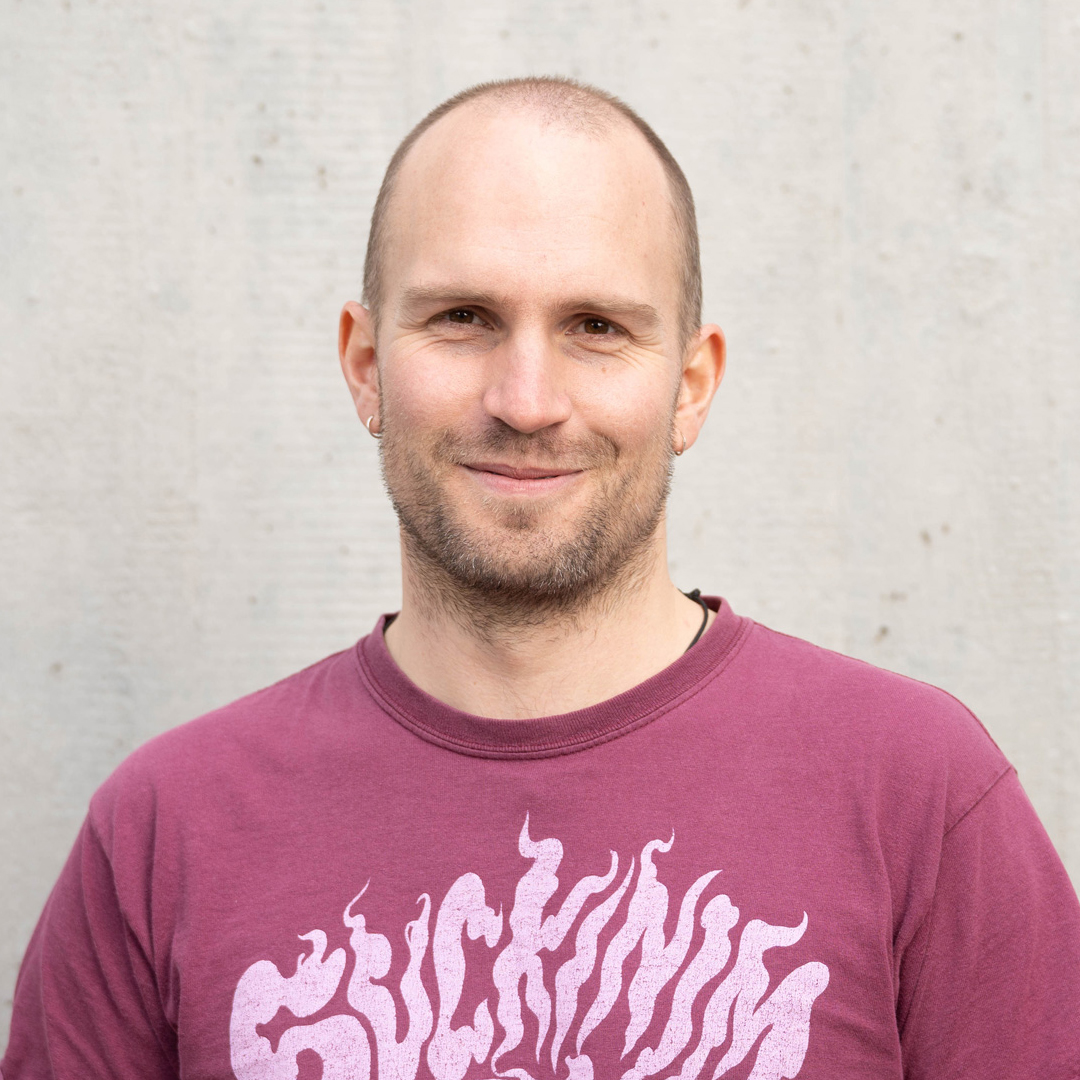
Daniel Petras
University of California
Daniel Petras
Daniel Petras is a biochemist specializing in bioanalytical chemistry and mass spectrometry-based metabolomics. Daniel received an engineering degree in biotechnology from the University of Applied Sciences Darmstadt in 2012 and completed his doctoral degree in biochemistry at the Technical University of Berlin in 2016. Following postdoctoral research at the University of California San Diego, where he focused on environmental metabolomics and microbial chemical ecology, he founded the Functional Metabolomics Lab as a junior research group at the University of Tübingen in 2021. In 2024, he moved with his group to the University of California Riverside, where he is currently an Assistant Professor of Biochemistry. His research focuses on developing functional metabolomics approaches that move beyond descriptive metabolite profiling toward causally linking small molecules to biological function. By integrating high-resolution mass spectrometry, computational metabolomics, and synthetic microbial consortia with perturbation-based and activity-guided approaches, his work seeks to uncover how microbes transform endogenous and environmental chemicals, identify which metabolites actively shape microbial and host phenotypes, and determine how these molecular interactions influence ecosystem and host function.
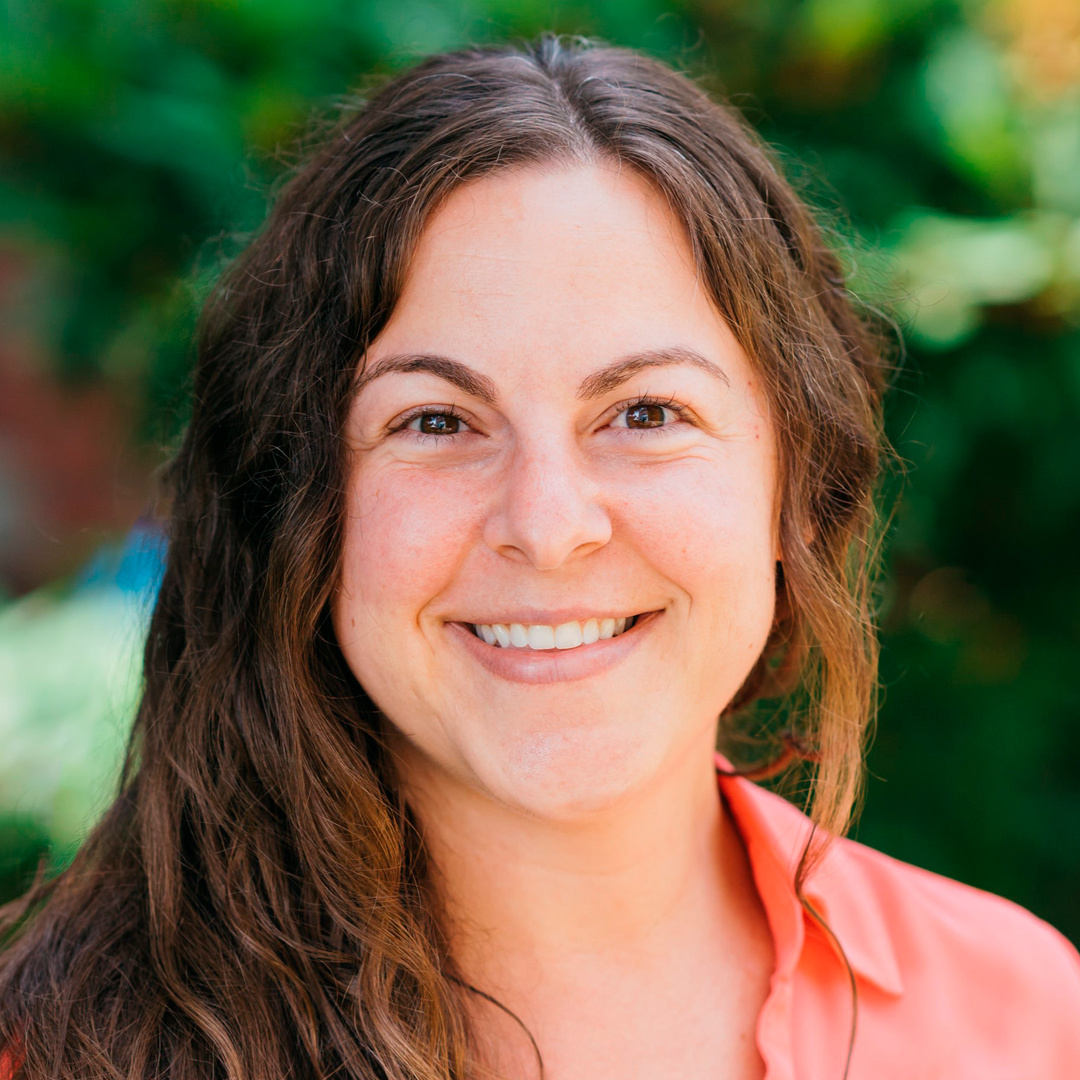
Lindasy K. Pino
Talus Bio
Lindsay Pino
Lindsay is the co-founder and chief technology officer at Talus Bio. With over a decade’s experience in analytical chemistry and computational biology, she develops technologies for quantitative proteomics. At Talus, she focuses on scaling quantitative proteomics to systematically measure how small molecules perturb protein function, enabling new approaches to drug discovery and transcription factor biology. She is directly involved in a large variety of research projects spanning cancer drug discovery, molecular mechanisms of aging, epigenetics, and spatiotemporal proteomics. In addition to her research and leadership roles, she is an active member of several professional organizations, including the American Society for Mass Spectrometry (ASMS), the Human Proteome Organization (HUPO), and US HUPO. She is passionate about community building and mentorship, serving as an organizer for numerous workshops for proteomics, professional skills, and entrepreneurship.
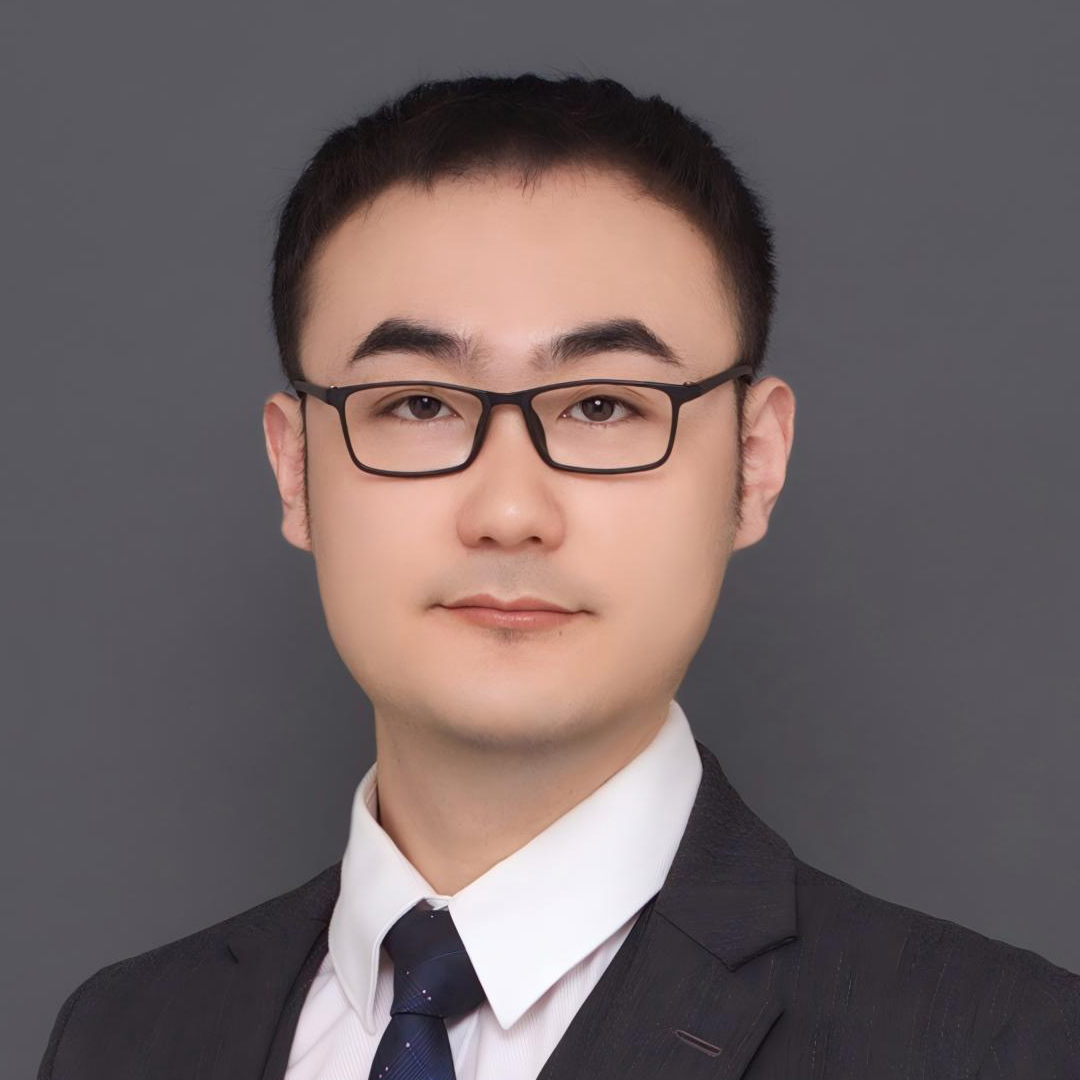
Zhen Dong
Westlake University
Zhen Dong
Westlake University, China
Zhen Dong is a Research Assistant Professor at Westlake University, China. He received his PhD from the University of Otago, New Zealand, in 2020 and subsequently conducted postdoctoral research in the Guomics laboratory at Westlake University, where he focused on the development of expansion-based spatial proteomics technologies.
His research centers on advancing mass spectrometry-based spatial proteomics by integrating tissue expansion, imaging, and computational analysis to enable high-resolution mapping of protein organization in complex tissues. He co-developed ProteomEx, an early expansion-based spatial proteomics method, and later led the development of its next-generation platform, FAXP, which improves spatial resolution, proteome coverage, and throughput for tissue-scale proteomic analysis.
Zhen’s work aims to establish new technological frameworks for spatially resolved proteomics and to apply these approaches to investigate tissue organization and disease biology. Over the past five years, he has secured several competitive fellowships and awards and has contributed to multiple national research projects supported by the National Natural Science Foundation of China. He has authored or co-authored multiple peer-reviewed publications in journals including Nature Communications, Nature Protocols, Hepatology, Cell Discovery, and Trends in Biochemical Sciences. The ProteomEx and FAXP technologies have also received international attention, being highlighted by Nature in its 2025 Technology Features series and recognized by Trends in Biochemical Sciences as a Technology of the Month for their contributions to advancing spatial proteomics.

Henriette Uthe
Leibniz Institute of Plant Biochemistry
Henriette Uthe
Leibniz Institute of Plant Biochemistry
Dr. Henriette Uthe is a researcher at the Leibniz Institute of Plant Biochemistry, with a scientific background in ecometabolomics, plant biochemistry, and analytical chemistry. Her work focuses on the investigation of plant-derived metabolites and their roles in plant physiology and plant–environment interactions.
Her research combines advanced analytical techniques, such as mass spectrometry-based metabolomics, with experimental approaches to study biochemical processes in crops. A particular emphasis lies on the characterization of root- and seed-associated metabolites and their interactions with soil microbiomes.
Dr. Uthe’s research lines include:
- Development and optimization of analytical methods for plant metabolite profiling
- Investigation of plant–microbiome interactions
- Characterization of crop-specific metabolic responses under different environmental conditions
- Integration of metabolomic data with microbiome datasets
Her work contributes to a better understanding of plant health, resilience, and productivity, with potential applications in sustainable agriculture.
As head of the MetaCom research program, Dr. Uthe is responsible for implementing various metabolomics techniques (GC-MS, HPLC-MS, targeted and untargeted approaches, and NMR) in scientific research at the Institute of Plant Biochemistry (IPB). Her work focuses particularly on methodological development, training, and the innovative use of the institute’s extensive compound library derived from plants and fungi.
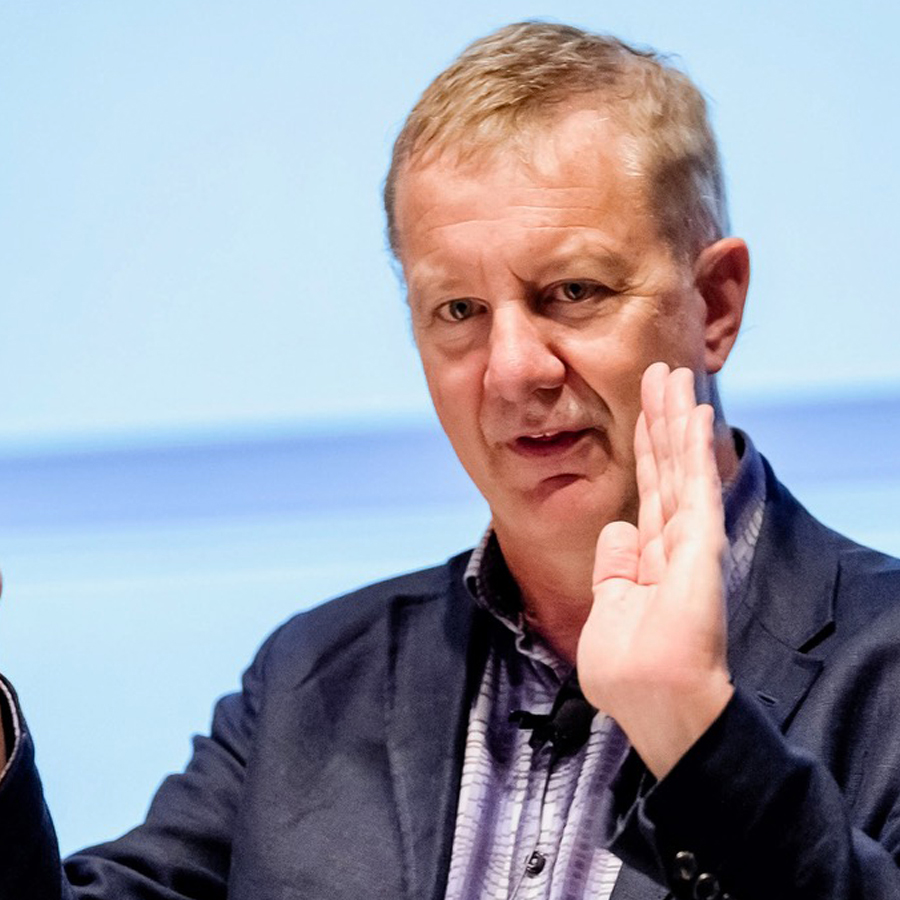
Christopher M. Overall
University of British Columbia
Christopher M. Overall
University of British Columbia
Professor Chris Overall is a Distinguished University Scholar of the University of British Columbia, a fellow of the Royal Society of Canada, a Canada Research Chair Laureate in Protease Proteomics and Systems Biology, a Yonsei Distinguished Scholar of Yonsei University, Korea, and a Senior Fellow of the Freiburg Institute of Advanced Studies, Albert-Ludwigs Universität Freiburg, Germany, where he is an Honorary Professor. His 316 papers are influential, with an h-index of 112. He is best known for developing terminomic proteomics methodology for identifying protein N and C-termini of mature and neo-protein substrate termini generated by proteolysis, with widespread adoption of his techniques by researchers and companies world-wide, revolutionizing and accelerating protease research. He Co-Chairs the HUPO Chromosome-centric Human Proteome Project (C-HPP), sits on the Council of the p-Hub Global Proteomics Project, and is the recipient of numerous international awards, e.g., CNPN Tony Pawson Award, the Proteomass Scientific Society Award; 2018 HUPO Discovery Award in Proteomics Sciences; and 2022 Helmut Holzer Award.
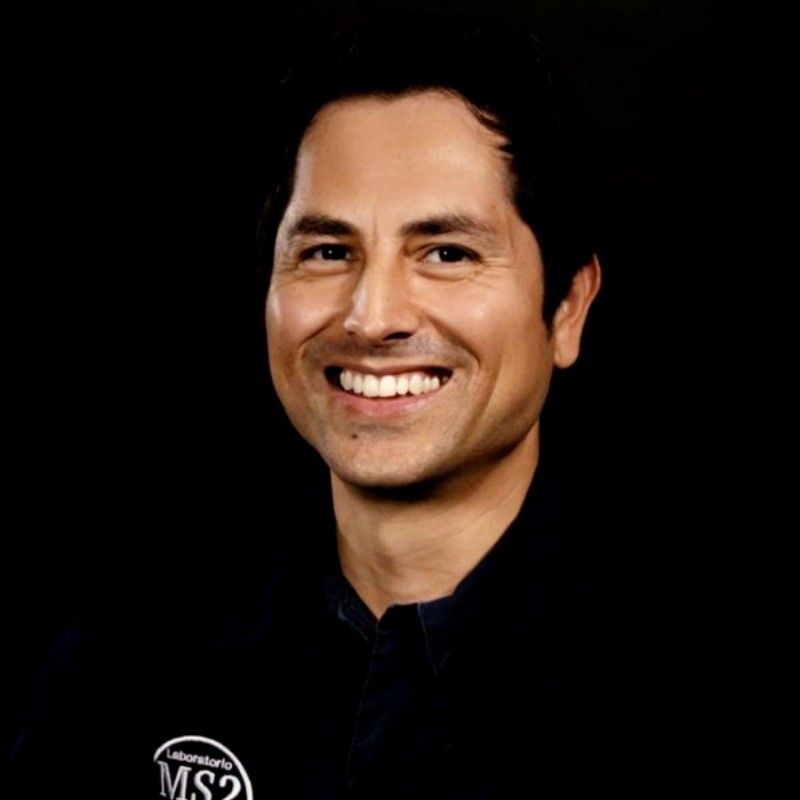
Aldo Moreno Ulloa
CICESE
Aldo Moreno Ulloa
CICESE, México
Dr. Aldo Moreno Ulloa’s background includes postgraduate studies at the Higher School of Medicine of the National Polytechnic Institute, in collaboration with the University of California, San Diego. In 2018, Dr. Moreno began his career as an independent researcher in the Department of Biomedical Innovation at CICESE, Baja California, México, where he pursued metabolomics and proteomics research projects, exploring their applications in biomedicine. His research covers human and microbial metabolism, as well as the identification of diagnostic biomarkers in diseases such as breast cancer, Alzheimer’s, and aging.
His academic contributions include 47 scientific articles—collectively cited over 2,100 times—and the development of web platforms hosting metabolite databases and chemoinformatic tools, such as the METxico Project and MetGraph. His lab regularly hosts graduate students from institutions such as UNAM, CINVESTAV, IPN, and Tecnológico de Monterrey, among many others, providing training in metabolomics and chemoinformatics. Each year, he also offers a hands-on workshop, METGEN, to support the community in analyzing mass spectrometry-based untargeted metabolomics data.
In 2019, he founded the Specialized Laboratory in Metabolomics and Proteomics (MetPro), which offers specialized services in liquid chromatography coupled with mass spectrometry and bioinformatics/chemoinformatics, aimed at the academic community and the private sector.
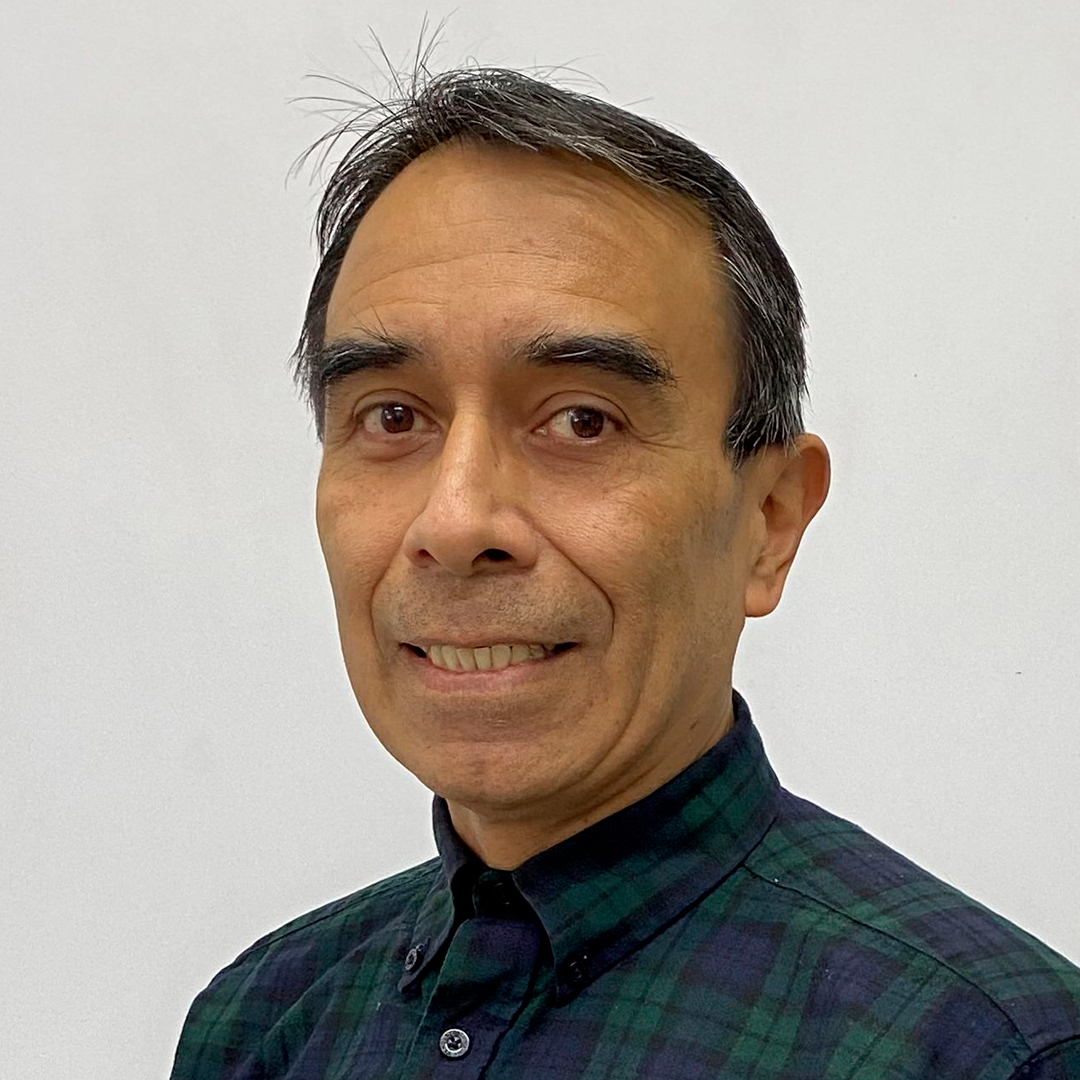
Jaime García Mena
CINVESTAV
Jaime García-Mena
CINVESTAV, México
Dr. Jaime García-Mena is a Mexican microbiologist. He earned a B.S. in Bacteriology and Parasitology in 1987 from the National Polytechnic Institute (Mexico) and holds a Ph.D. in Molecular Biology from the Center for Research and Advanced Studies of the National Polytechnic Institute (Cinvestav, Mexico) in 1992.
In 1992, he conducted a research stay at the Institut de Biologie Physico-Chimique in Paris, France, and from 1995 to 1997, he completed a Postdoctoral fellowship in the Department of Microbiology at the University of Connecticut Health Center in Farmington, Connecticut, United States of America.
Currently, he is the Director of Research at the Environmental Genomics Laboratory in the Department of Genetics and Molecular Biology at Cinvestav (Mexico), where he pioneered research on microbiota-microbiome functionality related to environmental issues, human diseases (cervical cancer, obesity, type 2 diabetes, Alzheimer’s), and now on human milk microbiota in the Mexican population.
He is a member of the National System of Researchers Level III (Mexico). In his role as a research professor at Cinvestav, he has supervised 5 postdoctoral researchers, 20 doctoral theses, 40 master’s theses, and 14 bachelor’s theses from other national institutions. He is the author of 116 original peer-reviewed articles with 3,176 SCOPUS citations and an h-index of 32 (Scopus Author ID: 6505816476, Web of Science ResearcherID: B-1625-2008, Loop profile: 40297, and ORCID: 0000-0002-0595-3711).
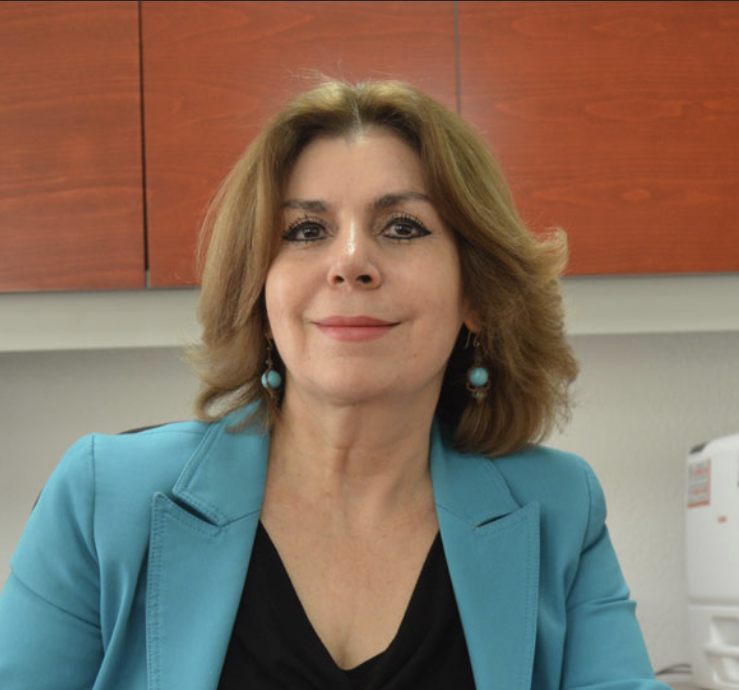
Lorena Sofía
Orozco Orozco
INMEGEN
Lorena Sofía Orozco Orozco
INMEGEN
Lorena Orozco background is Medical Surgeon from the Faculty of Medicine at the Autonomous University of Chihuahua (UACH). She holds a Master’s and Doctorate from CINVESTAV, with postdoctoral studies at the NIH in the United States. She is a researcher at Medical Sciences and head of the Immunogenomics and Metabolic Diseases Laboratory at INMEGEN, with an emeritus researcher level (SNII). Her research focuses primarily on the genomics of rare, autoimmune, and metabolic diseases, such as metabolic syndrome, diabetes, and dyslipidemia, among others.
She has published over 300 works, including 200 scientific articles in indexed journals, 101 outreach and dissemination articles, 17 book chapters, and two books. Many of her research findings have been published in high-impact journals such as Nature, PNAS, JAMA, and The Lancet Diabetes, with over 24,000 citations and an H-index of 51. She has mentored 93 students, including 83 postgraduate students (18 doctoral, 28 master’s, and 47 in advanced specialization programs). In 2012, she created the Advanced Specialization Course in Genomic Medicine at the Faculty of Medicine, UNAM, where she is a tenured professor.
She has received over 70 awards, recognitions, and distinctions. She is a member of the Mexican Academy of Sciences and has held various positions in different associations, notably serving as president of the Associations of Molecular Biology in Medicine and Human Genetics. She also served as Deputy Director and Director of Research at INMEGEN and as Undersecretary of the Secretariat of Education, Science, Technology and Innovation (SECTEI) of Mexico City. She is currently a member of the International Consortia: “Slim Initiative in Genomic Medicine for the Americas” (SIGMA), Genome Aggregation Database (gnomAD) and Genetic Investigation of ANthropometric Traits (GIANT).
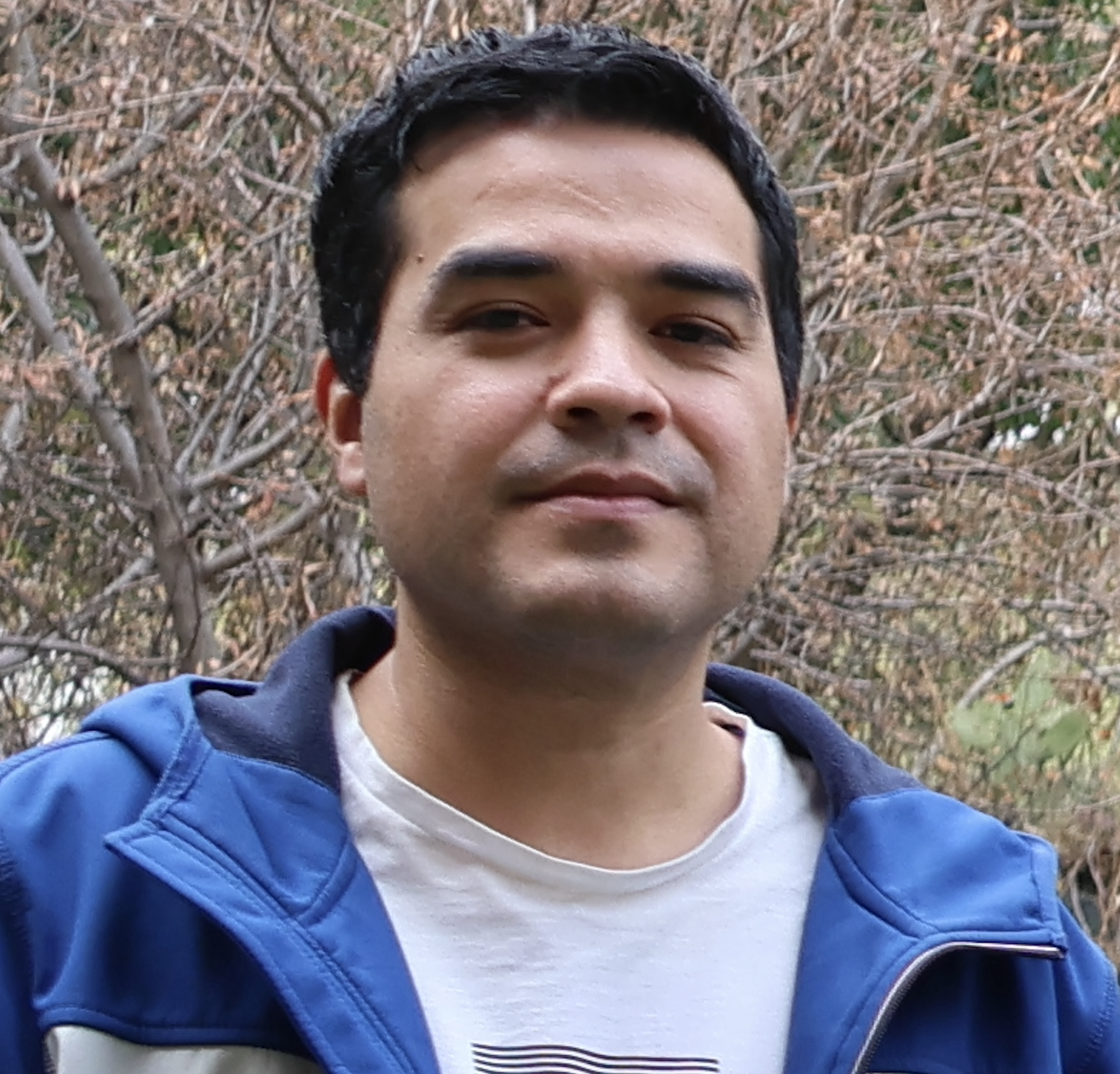
Víctor Miguel Palomar Olguín
UNAM
Víctor Miguel Palomar Olguín
UNAM
Dr. Miguel Palomar holds a Ph.D. in Biomedical Sciences from the Institute of Biotechnology, UNAM and a postdoctoral training at the Molecular, Cellular and Developmental Biology Department of the University of Michigan. Since 2023 he is an assistant professor at the Department of Biochemistry at the Faculty of Chemistry, UNAM. His research group focuses on deciphering the way the chloroplast genome organizes in space and the mechanisms that modulate this organization. He is also interested in the evolution of the mechanisms of genome compaction in plant organelles. He is a member of the National System of Researchers and the Mexican Society of Biochemistry. His work has been published in journals like The Plant Journal, Planta, Scientific Reports, and PNAS among others.
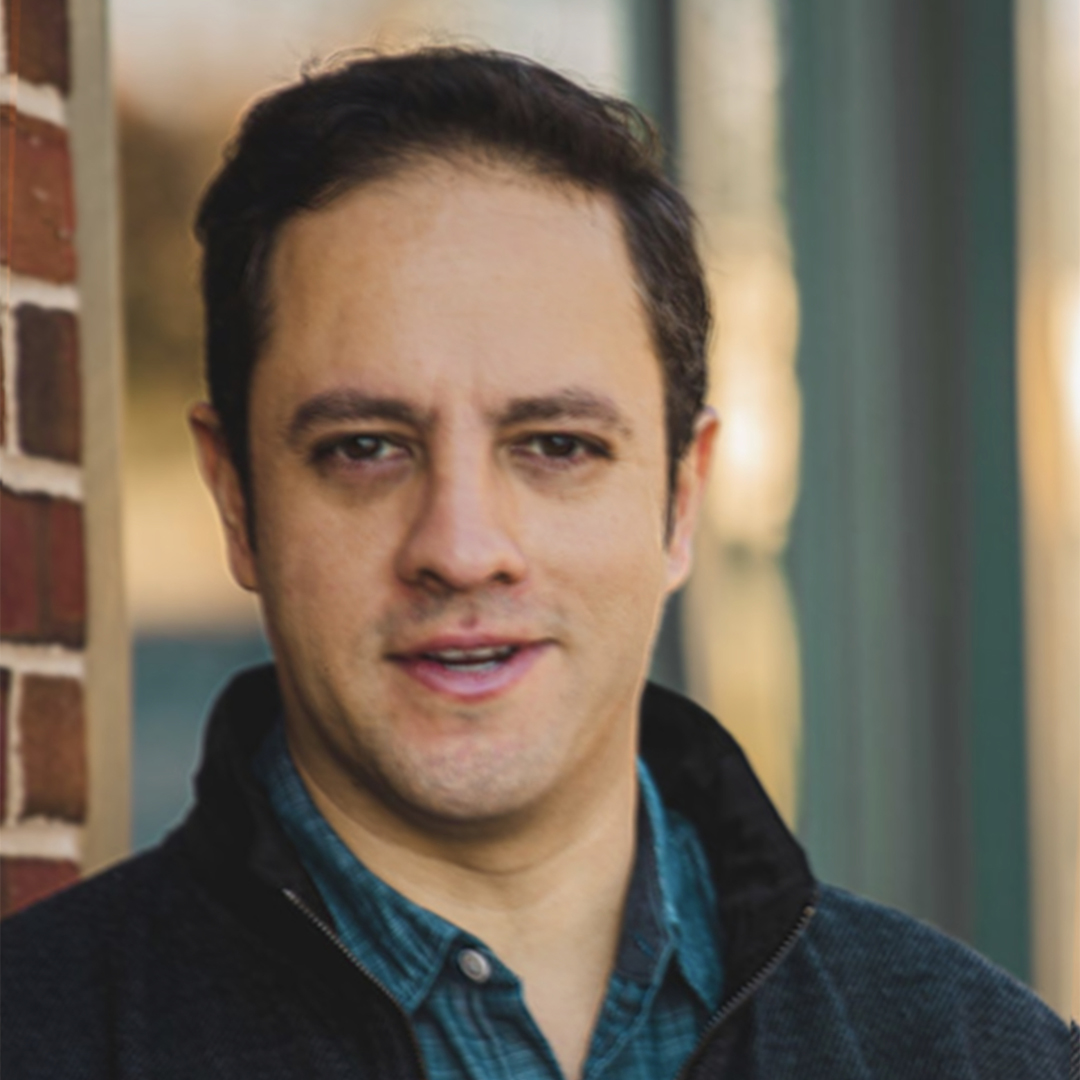
Luis B Tovar y Romo
UNAM
Luis B Tovar y Romo
UNAM
Dr. Luis B. Tovar-y-Romo holds a Ph.D. in Biomedical Sciences from UNAM and completed his postdoctoral training at The Johns Hopkins University School of Medicine. He is a full-time professor in the Department of Molecular Neuropathology at the Instituto de Fisiología Celular of the UNAM, and the current Director of the Institute. His research integrates proteomics, transcriptomics, and cell biology to decode the molecular mechanisms underlying the brain’s endogenous responses to ischemic injury. A central focus of his lab is the proteome of brain-derived extracellular vesicles — particularly those released by astrocytes and neural stem cells — and how their molecular cargo orchestrates neuroprotection, axonal regeneration, and vascular remodeling after stroke. His integrative approach connects proteomic signatures to functional outcomes, bridging the gap between molecular data and neurological recovery. He is a member of Mexico’s National Research System (SNII), the Academia Mexicana de Ciencias, the International Brain Research Organization, the International Society for Neurochemistry, and the Society for Neuroscience, among others. His work has been published in journals including Science Signaling, Molecular Therapy, and Journal of Neurochemistry.

Natalia Vázquez Manjarrez
Instituto Nacional de Ciencias Médicas y Nutrición Salvador Zubirán
Natalia Vázquez Manjarrez
Instituto Nacional de Ciencias Médicas y Nutrición Salvador Zubirán (INCMNSZ)
Dr. Natalia Vázquez Manjarrez is a researcher at the Salvador Zubirán National Institute of Medical Sciences and Nutrition, where she leads the Metabolomics Unit. Her work focuses on the application of metabolomics and lipidomics to study human nutrition, particularly in the identification of intake biomarkers and the molecular characterization of foods. She is a Level I National Researcher and directs the Periodic Table of Food Initiative Center of Excellence in Mexico.
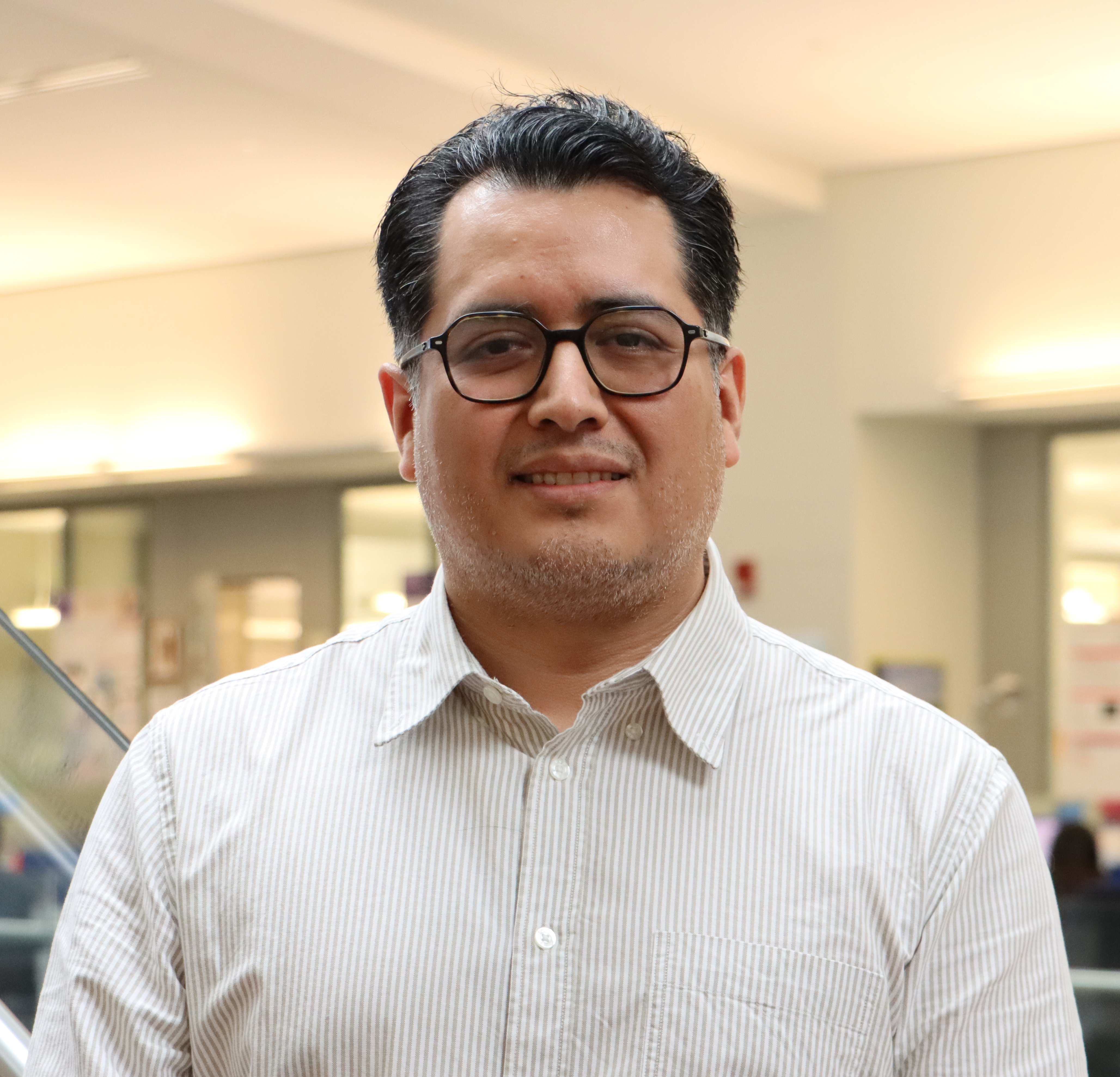
Israel Maruri López
Center for Desert Agriculture-KAUST
Israel Maruri López
Center for Desert Agriculture-KAUST
Israel Maruri López got his Ph.D. at the Scientific and Technological Research Institute of San Luis Potosi, Mexico. During his Ph.D. studies, he focused on the functional characterization of protein degradation tags, especially in plant models. His doctoral research provided strong evidence that the homodimerization of a maize spermine synthase enzyme is key to its enzymatic activity and protein stability. Later, as a postdoctoral fellow, he moved to The Center for Genome Sciences of the National Autonomous University of Mexico (UNAM). There he studied plant innate immunity through chemical screenings to identify bioactive molecules that modify the accumulation of reactive oxygen species during the early immune response of Arabidopsis thaliana to the phytopathogenic fungus Botrytis cinerea. Currently, he is enrolled as a postdoctoral researcher at the Center for Desert Agriculture in the group of Professor Monika Chodasiewicz. His postdoctoral project studies the molecular grammar governing the driving forces for phase separation of low-complexity RNA binding proteins involved in the assembly of stress granules.
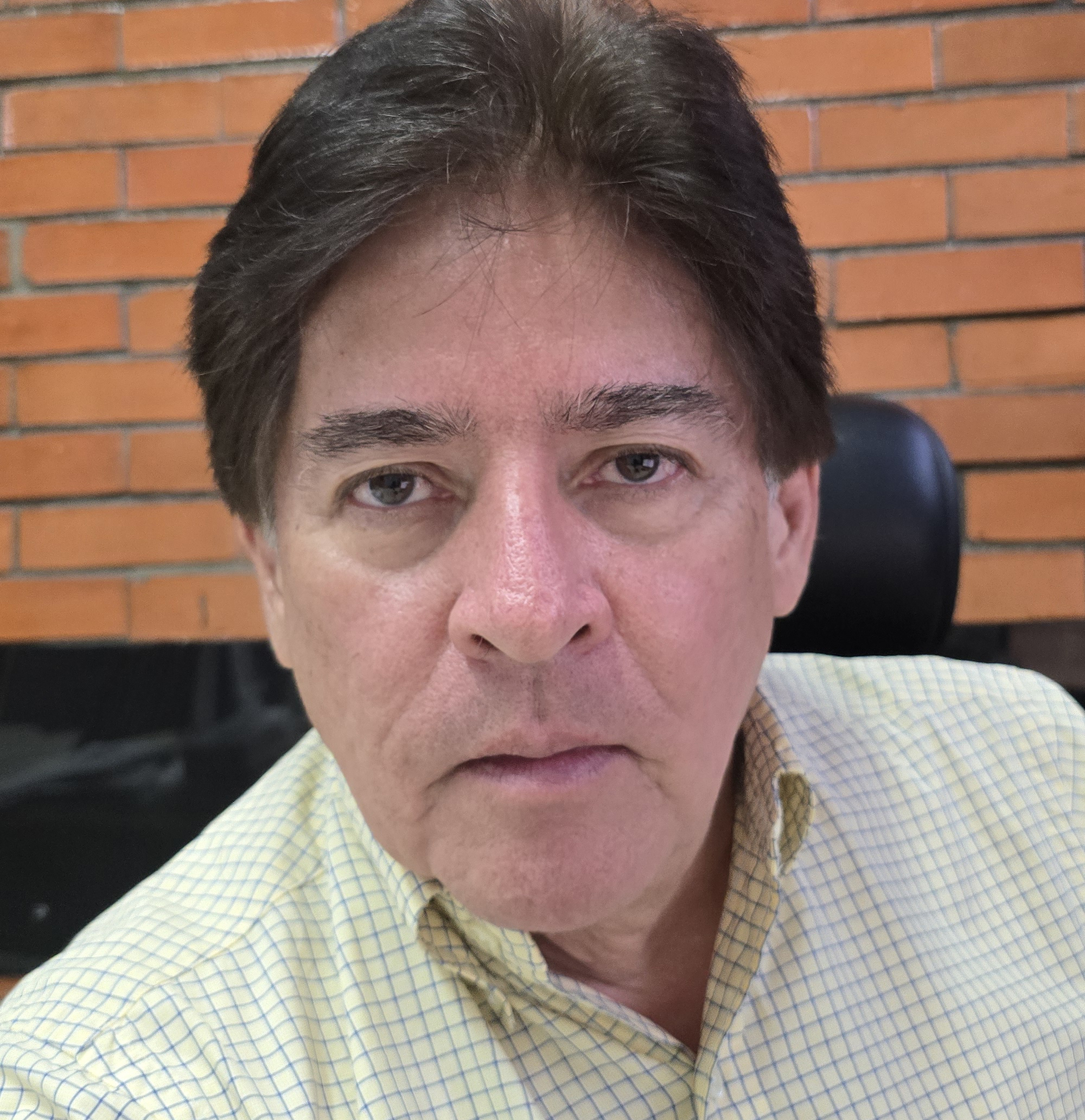
Sergio Encarnación Guevara
Center for Genome Sciences - UNAM
Sergio Encarnación Guevara
Centro de Ciencias Genómicas - UNAM
Sergio Encarnación-Guevara is Professor of Functional Genomics and Head of the Proteomics Laboratory at the Center for Genomic Sciences, National Autonomous University of Mexico (UNAM). He has authored over 160 scientific articles and book chapters and is recognized as pioneer of proteomics in Mexico. He is a founding member of the Mexican Proteomics Society and the Mexican Genomics Society, where he has served as Vice President and subsequently as President for both organizations. He was also a founding board member of the North American Metabolomics Society. Additionally, he serves on the executive committee of the HUPO Chromosome-centric Human Proteome Project (C-HPP) of the Human Proteome Organization (HUPO), and was co-chair of HUPO Congress-2022 in Cancun, Mexico, the first held in Latin America. His research centers on cancer proteomics, secretome analysis, tumor dynamics, quantitative proteomics, and post-translational protein modifications, with particular emphasis on ubiquitination and acetylation stoichiometry.

Luis M. Terán

Dr. Luis M. Terán
Dr. Luis Manuel Terán Juárez is a distinguished allergist, clinical immunologist, and pioneering researcher in respiratory medicine. He serves as the Head of the Department of Immunogenetics and Allergy at the National Institute of Respiratory Diseases (INER) “Ismael Cosío Villegas” in Mexico City. After earning his PhD from the University of Southampton, the prestigious Alexander von Humboldt Foundation supported his international trajectory, which included advanced research at Kiel University and the European Molecular Biology Laboratory (EMBL) in Heidelberg. Reflecting his global standing in the omics community, Dr. Terán Juárez served as the Congress Co-Chair for the 21st HUPO World Congress in Cancun (2022). His laboratory utilizes clinical proteomics and multi-omics workflows to study the molecular mechanisms behind allergic respiratory diseases and viral infections. A leading authority in allergen immunoproteomics, he has published work spanning mass spectrometry-based protein profiling and precision respiratory medicine, bridging basic science with critical clinical applications.
Cursos
Aprende de expertos, adquiere herramientas prácticas y fortalece tu desarrollo profesional.
Cupo limitado. Inscríbete en los cursos de tu interés y aprovecha al máximo esta experiencia.
$3,500
$2,500
Incluye membresía
Nota: El costo indicado es por curso. Cada curso requiere una inscripción independiente.
OFERTA ESPECIAL
1 Curso incluido en tu registro
* Vigencia al 30 de septiembre. Cupo limitado
AlphaDIA
Georg Wallmann
Max Planck
AlphaDIA
Language: English
Session 1 | Nov 9th. Fundamentals (2h) 1h talk: DIA proteomics, peptide-centric search, and FDR control 1h interactive: Exploring DIA & spectra data hands-on
Session 2 | Nov 10th. Peptide Property Prediction and Scoring (3h) 30 min intro: Spectral library prediction, scoring principles 2h hands-on: Predicting and comparing spectral libraries with DIA data 30 min buffer/discussion of results
Session 3 | Nov 11th. End-to-End AlphaDIA Analysis (3h) 30 min intro: AlphaDIA pipeline overview, configuration 2h hands-on: Running AlphaDIA on a real dataset, interpreting outputs 30 min buffer/discussion of results
Georg Wallmann
- 1 projector with screen or large TV
AI for Proteomics
Wilson Wen Bin Goh
NTU
AI for Proteomics
Proteo-informatics workflows, AI for enhancing components of the workflow, meta-AI OpDEA for optimizing workflow design, LLMs for helping annotate protein lists
Wilson Wen Bin Goh
NTU
Learning objective: The course is intended for MSc and PhD students with a background in mass spectrometry-based proteomics who are interested in advancing their skills in computational data analysis and workflow design. This workshop focuses on proteo-informatics workflows and the strategic integration of AI to enhance data interpretation. Participants will be first introduced to the overall structure of proteo-informatics workflows and the role of AI in improving different stages of analysis. During hours two to four, the workshop will focus on some hands-on exploration of meta-AI tools like OpDEA, which enables optimization of workflow design and integration of outputs from multiple analysis pipelines. In the final hour, participants will work with large language models (LLMs) to support protein annotation tasks, followed by a closing discussion. The workshop is conducted in a seminar-style format with hands-on exercises. After completing the course, participants will be able to evaluate proteo-informatics workflows and leverage AI tools to enhance analytical pipelines, and where necessary, apply LLM-based approaches to support protein annotation and data interpretation.
- English
- Laptop and mouse
Metabolomics
Aldo Moreno
CICESE
Metabolomics
Aldo Moreno
CICESE, México
Learning objective: introduce participants to the use of LC-MS/MS and its application in metabolome characterization across various species. A hands-on practical experience will be offered, focused on innovative chemoinformatics tools for analyzing data from any QTOF or Orbitrap LC-MS/MS instrument. Participants will be introduced to the free online platform MetGraph—developed by our group—which enables the generation of high-quality, publication-ready graphs for metabolome description and data exploration. This facilitates the identification of metabolic markers in microbiological, biotechnological, and biomedical studies. The workshop will be structured in daily sessions that combine theory with hands-on practices. It proposes a highly interactive approach, reinforced only with essential theory to ensure clear and effective understanding. By the end, participants will be equipped to analyze LC-MS/MS data using free-access software, enabling them to identify metabolomes from both global and specific perspectives.
- Spanish
- Laptop and mouse
Transcriptomics
Victor M Palomar
UNAM
Transcriptomics
Illumina-sequenced transcriptomic sample processing and corresponding Differential Expression analyses.
Victor M. Palomar
- 1 projector with wall screen
- Fast and stable internet
- People need to bring their laptop and use a web browser (e.g. Google chrome) with their personal google account.
- Catering: Coffee and snacks
- 1 TV monitor (min. 60 inches)
Deep Learning for Mass Spectrometry Imaging:
Spatial Ion Analysis with JuliaMSI and PyTorch
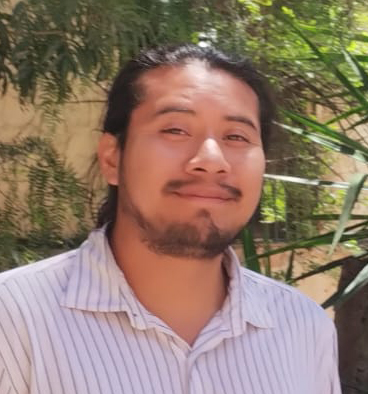
Juan Francisco Moreno Luna
Deep Learning for Mass Spectrometry Imaging: Spatial Ion Analysis with JuliaMSI and PyTorch
Juan Francisco Moreno Luna
CICESE, México
Learning objective: The course is designed for students, researchers, and professionals interested in spatial metabolomics, mass spectrometry, scientific image analysis, and artificial intelligence applied to omics data. The course combines theoretical foundations with practical activities focused on computational analysis of MSI (Mass Spectrometry Imaging) data. During the first day, we will introduce the fundamentals of MSI and the imzML/ibd file formats, as well as the use of JuliaMSI for visualizing ionic images, exploring m/z values, and processing metabolomic data through Julia scripts. We will also cover preprocessing stages such as TIC normalization, noise filtering, and relevant feature selection. Subsequently, participants will learn to export data into formats compatible with Deep Learning using NumPy and PyTorch. On the second day, we will cover the essential fundamentals of neural networks and tensors, followed by the implementation of a basic Deep Learning pipeline in PyTorch using convolutional neural networks (CNN) for segmentation and spatial analysis of MSI data. Upon completing the course, participants will be able to generate spatial metabolomics images, prepare datasets for artificial intelligence, and understand how to integrate MSI and Deep Learning into scientific research workflows.
- Spanish
- Laptop and mouse (minimum 8 GB of RAM)
Registro
Miembros
$3,500MXNAntes del 30 de septiembre
- Registro
- Coffee break
- Memorias del evento
- Souvenirs
- 1 Curso
(opcional.
Vigente hasta
el 31 de agosto).
Cupo limitado
No miembros
$5,000MXNAntes del 30 de septiembre
- Registro
- Coffee break
- Memorias del evento
- Souvenirs
- 1 Curso
(opcional.
Vigente hasta
el 31 de agosto.
Cupo limitado)
Estudiantes
$2,500MXNAntes del 30 de septiembre
- Registro
- Coffee break
- Memorias del evento
- Souvenirs
- 1 Curso (opcional.
Vigente hasta
el 31 de agosto.
Cupo limitado)
Pase diario
$1,500MXN- Registro
- Coffee break
Registro + Membresía
$4,000MXNAntes del 30 de septiembre
- Registro
- Coffee break
- Memorias del evento
- Souvenirs
- 1 Curso
(opcional.
Vigente hasta
el 31 de agosto.
Cupo limitado)
Antes de continuar con tu registro, realiza tu pago mediante depósito bancario o transferencia electrónica de fondos
Nombre: Sociedad Mexicana de Proteómica A.C.
Cuenta: BBVA Bancomer 0148612528
CLABE: 0125 4000 1486 1252 89
Foro Industrial
con la industria
"Las Ómicas más allá de la academia;
emprendimiento y campo profesional"
Invitados especiales: Bruker, ISASA/Thermo, PepBiosystem, Velozbio, Adium Pharma.
Becas
La SMP ofrece becas para Licenciatura, Maestría y Doctorado, que incluyen el registro al evento y se asignan con base en la evaluación de los mejores resúmenes por modalidad.
Además, gracias a nuestros patrocinadores, se otorgarán premios a la excelencia académica: MDPI reconocerá el 1°, 2° y 3° lugar a las mejores presentaciones en modalidad póster, y Novogene al 1°, 2° y 3° lugar en modalidad oral.
Patrocinadores







¿Te interesaría ser patrocinador
del evento?
Conoce las opciones de colaboración que tenemos.
Bronce
15 minutos
Una página
2 x 3 m2
En página web + simposio
1 asistente
Plata
30 minutos
Dos páginas
3 x 3 m2
En página web + simposio
1 ponente y 1 asistente
Oro
2 x 30 minutos
Cuatro páginas
4 x 4 m2
En página web + simposio
2 ponentes y 2 asistentes
Platino
3 x 30 minutos; una en sesión inaugural
Seis páginas
6 x 4 m2
En página web + simposio + resaltando categoría Platino + información publicitaria en recepción y registro
3 ponentes y 5 asistentes